
There is something about a golf fundraiser done well that is hard to replicate with other charity events. People show up because they want to be there. They get a day outside, spend a few hours with friends, colleagues, clients, or fellow supporters, and have plenty of opportunities to talk about the cause without feeling like they are sitting through another formal fundraising event.
That is part of the magic of a good golf outing. The fundraising matters, of course, but so does the experience. If people leave saying, “That was a great day,” you have already accomplished something important. If they are asking when next year’s event is before they have even made it home, you may have found something special.
Planning one takes work, but it does not have to be overwhelming. The biggest difference usually comes from choosing the right venue, giving yourself enough time, and thinking about the entire day rather than just the 18 holes.
Why do golf fundraisers work so well?
Most charity events ask guests to spend their time supporting a cause. A golf fundraiser gives them something in return: a day they can actually enjoy.
There is the competition, the scenery, the friendly trash talk, the surprisingly confident golfer who has not played in six months, and the person who insists their ball “must have kicked left” after sending it into the trees. There is also something naturally social about golf. Four people can spend several hours together without having to force conversation, and new relationships often develop along the way.
That makes golf especially useful for organizations that want to build a community around their fundraising efforts.
A participant may initially register because a friend asked them to play. The following year, they may bring a coworker. Eventually, they may become a sponsor, donor, volunteer, or regular supporter.
The round becomes the reason people come together, while the cause gives the day its meaning.
How do you choose the right golf course for a fundraiser?
The venue is one of the biggest decisions you will make, and it is worth looking beyond the course itself.
A beautiful layout is certainly a plus, but ask what happens before the first tee shot and after the final putt. Can the staff accommodate your group? Is there enough space for registration? Can sponsors display signs where players will actually see them? Is there somewhere comfortable for everyone to gather afterward?
You also need to think about the golfers themselves.
Your group may include people who play every weekend alongside people who have not touched a club since last summer. The best golf fundraiser venue should make both groups feel comfortable.
When comparing golf courses, ask about:
- Group capacity and the ideal number of players
- Shotgun starts and how the course handles large outings
- Registration and check-in areas
- Golf carts and cart staging
- Practice facilities
- Food and beverage options
- Banquet or post-round gathering space
- Tournament scoring and contest support
- Sponsorship signage
- Staff assistance on the day of the event
These details might not sound particularly exciting while you are planning the event, but they can make a huge difference once 100 people arrive at the same time.
How many golfers do you need for a successful golf fundraiser?
There is no magic number, and your ideal group size depends on the course, the cause, and your fundraising goals.
For many organizations, 50 or more golfers provides enough scale to create a lively atmosphere while giving you a meaningful number of registration and sponsorship opportunities. Larger events can bring together 100, 150, or even more players.
Do not feel that bigger automatically means better, though.
A 60-person event that sells out, runs smoothly, and raises strong support can be far more successful than a 150-person event where guests spend half the day waiting around.
Think about the experience you want to create first. Then build the number of golfers around it.
What should you include in a golf fundraiser?
The golf itself gives you plenty of opportunities to add some fun without making the day feel overproduced.
Closest-to-the-pin and longest-drive contests are easy favorites. A putting contest can give players something to do before or after their round, while raffles and silent auctions create additional fundraising opportunities.
You can also use sponsored holes to give local businesses a reason to get involved. A sponsor can have signage at a tee box, support a particular contest, or contribute toward part of the food and beverage experience.
Some popular options include:
- Closest-to-the-pin contests
- Longest-drive contests
- Putting contests
- Hole-in-one prizes
- Raffles
- Silent auctions
- Mulligan sales
- Sponsored holes
- Team prizes
- Individual awards
The key is not to add every possible activity simply because you can.
A fundraiser should still feel like a golf day. If players need a clipboard, five tickets, three rules sheets, and a detailed explanation every time they reach a tee box, the fun can disappear surprisingly quickly.
Choose a handful of activities that fit your audience and make them easy to understand.
How early should you start planning a golf fundraiser?
Earlier than you think.
Popular golf dates can disappear quickly, particularly during the warmer months and on weekends. Once you have chosen your venue and date, you can start working backward from the event.
Six months or more before the event is a comfortable starting point for many organizations. That gives you time to secure sponsors, promote registration, build your player list, arrange prizes, and finalize food and event details without turning the final two weeks into a frantic exercise in spreadsheet management.
A simple timeline might look like this:
Six months out
Choose your venue and date, establish your fundraising goal, and begin approaching major sponsors.
Four months out
Open registration, promote the event through email and social media, and start confirming sponsorships and prizes.
Two months out
Push registration more heavily, confirm food and beverage plans, and organize contests, auction items, and signage.
Two weeks out
Finalize player lists, foursomes, sponsor details, contest information, and event-day schedules.
Event week
Confirm everything with the golf course, prepare registration materials, and communicate the final details to players.
The goal is not to plan every second of the day six months in advance. It is to give yourself enough breathing room that small surprises stay small.
How can you raise more money during the golf outing?
Registration fees are only the beginning.
Sponsorships can become one of the strongest fundraising opportunities, particularly when you give businesses something tangible in return. A local company may be interested in sponsoring a hole, contest, meal, or prize because it puts its name directly in front of your participants.
You can also create different sponsorship levels rather than offering one package to everyone.
For example, you might have a simple hole sponsor option, a larger event sponsor, and a premium package that includes player registrations and additional visibility.
Make the benefits easy to understand. Businesses should know exactly where their name will appear and what they are helping support.
And do not underestimate personal fundraising. Give participants a simple way to invite friends and family to contribute even if they are not playing.
Sometimes the golfer who shoots 104 raises more money than the golfer who shoots 74. Golf has a funny way of keeping things competitive.
What should golfers eat and drink during a fundraiser?
Food is easy to overlook when you are focused on registration, sponsors, prizes, and tee times, but hungry golfers are not particularly interested in hearing another speech about your organization’s mission.
Think about food as part of the schedule.
A light breakfast or grab-and-go option can help players get started. Lunch or food at the turn gives them something to look forward to during the round. Then, after golf, a proper meal gives everyone a chance to relax and actually talk.
The post-round gathering is especially valuable for fundraising because it gives organizers an opportunity to thank participants, recognize sponsors, announce winners, and explain what their support will accomplish.
It also gives golfers a chance to do what golfers naturally do after a round: compare scores, debate whether that ball was really out of bounds, and retell the one shot that somehow gets better every time the story is told.
How can you make a golf fundraiser feel welcoming to beginners?
This is one of the most important details if you want people to return.
Not everyone at your event will know the difference between a birdie and a bogey, and that is completely fine. A charity golf outing should not make less experienced golfers feel as though they wandered into the wrong event.
Keep tournament rules simple. Explain the format clearly before players tee off, and make sure people know that the day is about enjoying themselves as much as competing.
A scramble format can work particularly well for mixed groups because everyone contributes to the team and players are not expected to play every shot like a seasoned golfer.
Most importantly, avoid making the event feel like a test.
The golfer who has played 30 rounds this year and the golfer who borrowed clubs from their neighbor should both be able to finish the day thinking, “I am glad I came.”
Why is Great Gorge a good choice for a golf fundraiser?
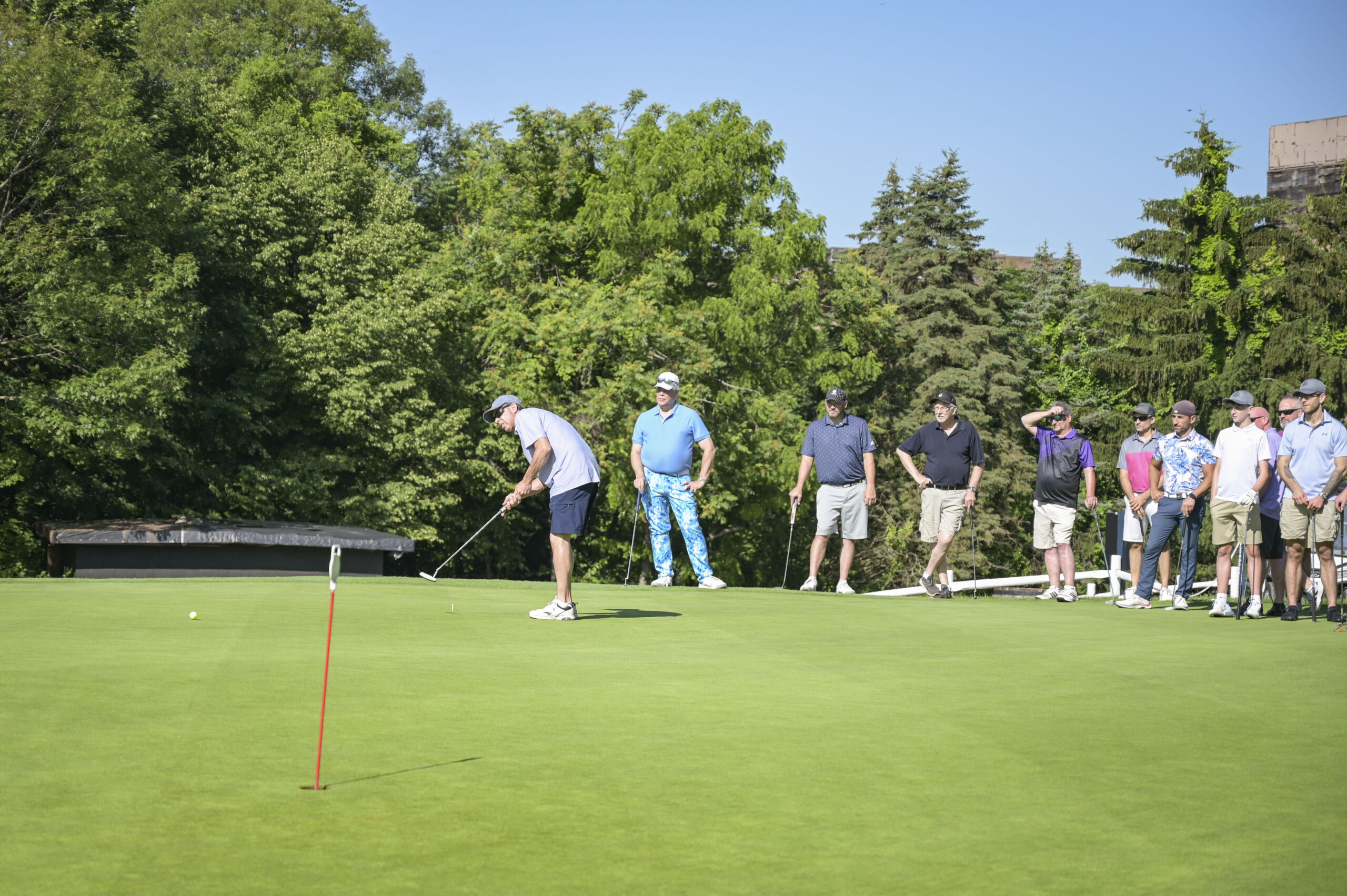
For organizations looking for a golf outing venue in New Jersey, Great Gorge offers a combination of space, scenery, and flexibility that works well for group events.
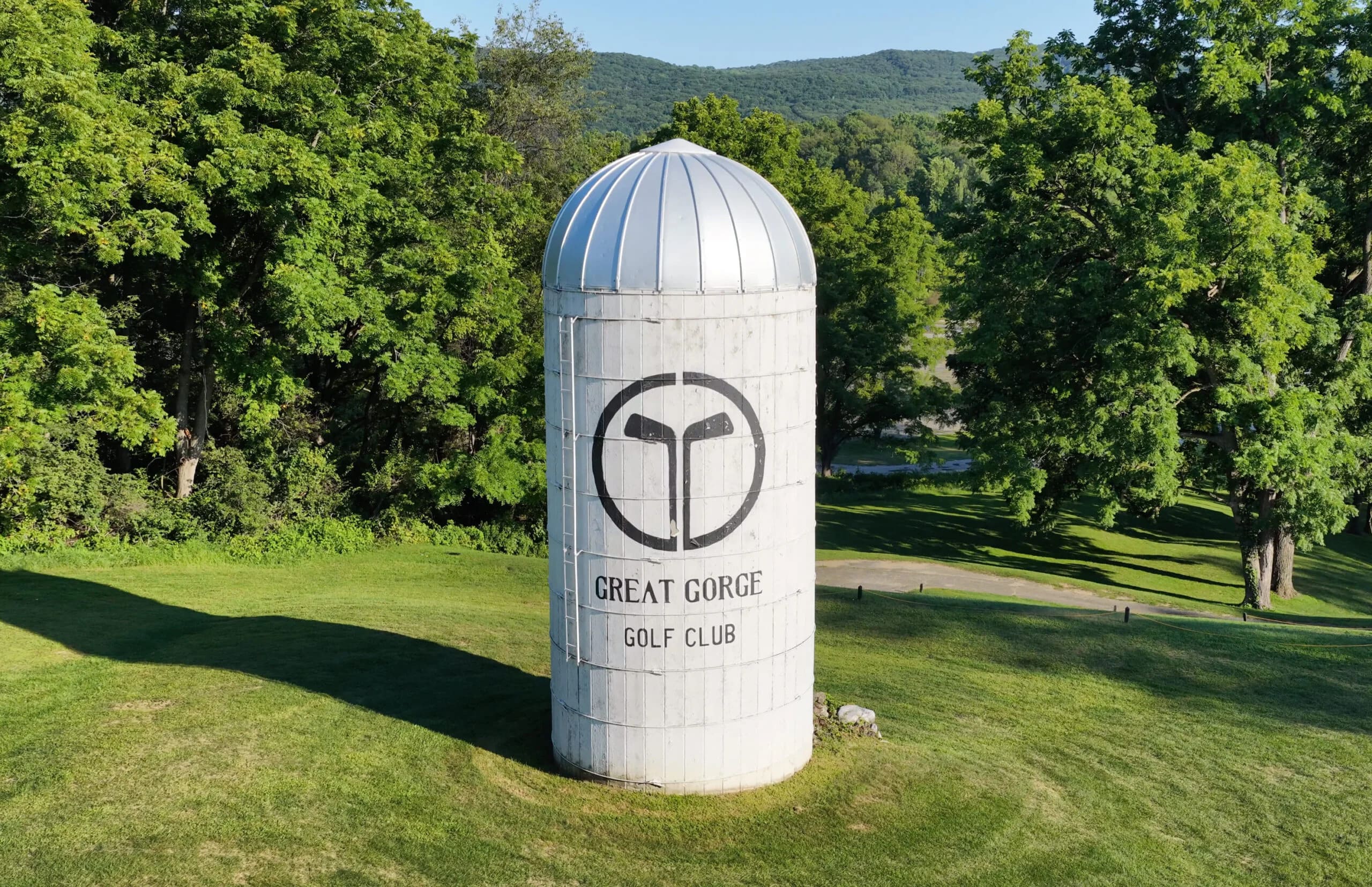
Set across 500 acres in Vernon Valley, Great Gorge features three nine-hole courses designed by George Fazio. The three nines can be combined into different 18-hole layouts, giving groups a varied golf experience while providing the property with flexibility for outings.
Great Gorge can accommodate groups from 20 to 180 golfers, making it suitable for everything from a smaller charity event to a much larger fundraiser.
The property also has the practical elements that organizers need. Outing support can include assistance with scoring, contests, sponsorship setup, and event logistics, while shotgun starts can help keep larger groups moving through the course on a clear schedule.
You can learn more about hosting an outing at Great Gorge and see what is available for your event.
The setting is another part of the experience. The surrounding Sussex County landscape gives golfers mountain and valley views throughout the day, which is a nice change from spending an entire fundraiser inside a ballroom.
And because Great Gorge has three distinct nines, organizers have some flexibility when putting together the day’s golf experience. You can explore the courses at Great Gorge to see how the Rail, Lake, and Quarry courses differ.